Avon Free Public Library, 2018-present
The Problem
Looking at the gender gap in tech, how might we model the change we want to see for kids and teens?
I developed the IGNITE program for the Avon Free Public Library with the Teen Services Librarian, Marisa Hicking. Beginning in early 2018, we created a STEAM (Science, Technology, Engineering, Art, Math) program series to address the gender gap that we saw in the tech industry and become a more equitable model for all teens.
Creating an effective format
We structured the program around published research about girls’ learning styles and building confidence and curiosity:
- collaboration more than competition,
- talking through the process and sharing ideas,
- open-ended, hands on projects that allow for creativity and problem-solving, and
- opportunities to practice leading and presenting.
Each program consisted of two back to back sessions: a session for teens identifying as girls, followed by a session open to all kids and teens in 5th through 12th grade. After completing the project themselves, teen girls had the option to stay and help run the second session. They would volunteer to explain the science behind an activity or take charge of helping participants through specific steps in a process.
The teens who stayed and practiced leading grew noticeably more confident as they continued in the program. The best part? These girls are the faces of STEAM among their peers, siblings, and the younger kids in the community who look up to them.
Co-creating content

We co-created the program with teen girls, sharing options for program activities, and getting feedback and additional ideas. One of their ideas, a robot petting zoo, was one of the most popular programs. Some teens even brought in their own robots to share. Their votes helped us make smarter library technology purchases to align with their interests.
IGNITE project highlights:
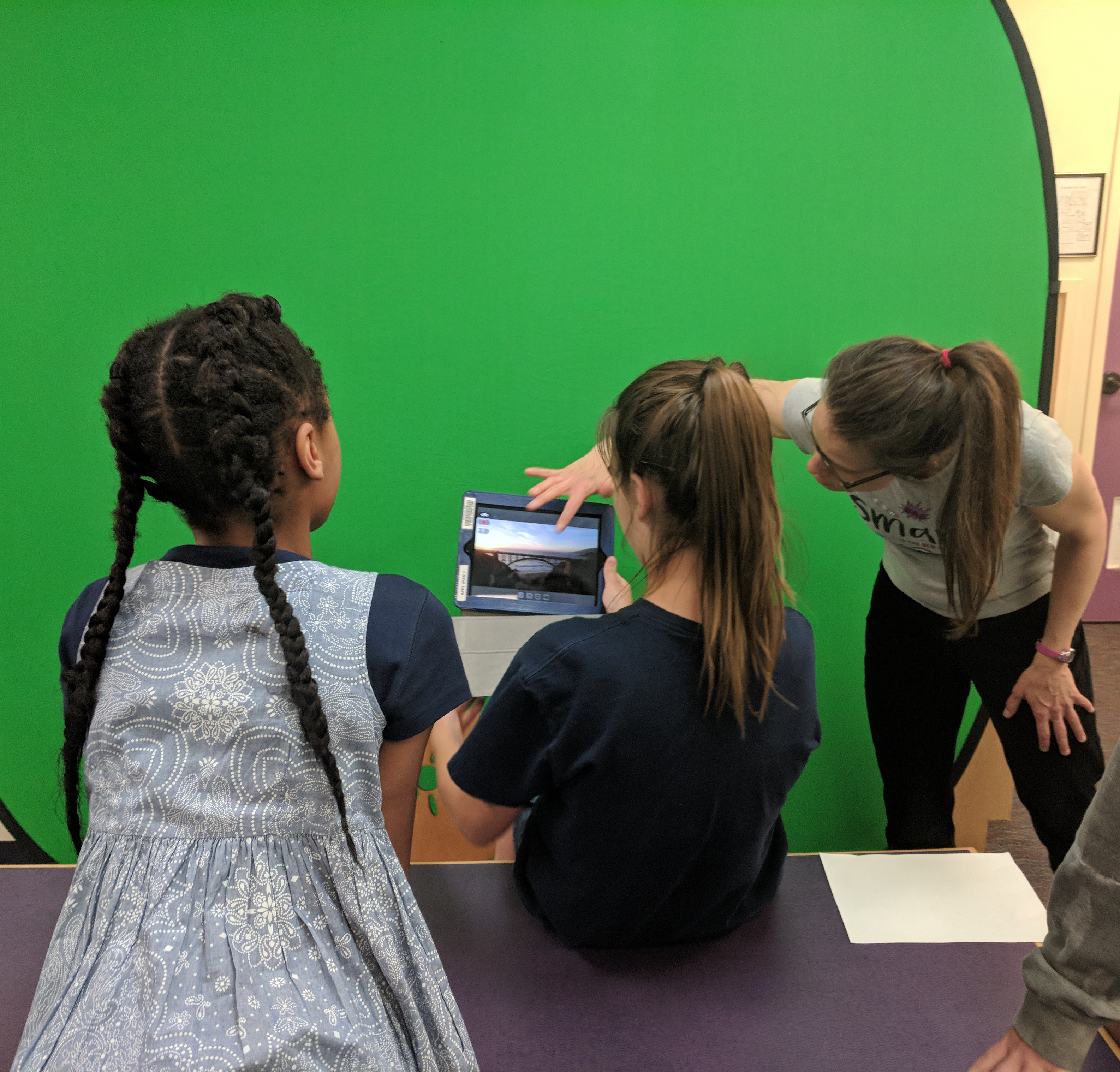
- Making movies with a green screen,
- Building a hoverboard,
- Exploring and programming with robots,
- Processing images from NASA telescopes,
- and our all-time favorite, 3D-printing pancakes
Role models for change
To effect real change, it helps to have role models who look like you, so we sought out women to teach and lead programs. A mentor provided continuity through all of the programs. We also coordinated with Central Connecticut State University’s Technology Education program to offer opportunities to teachers-in-training to lead a program, especially encouraging women to step up and be a role model for a day.
Expanding the possibilities virtually
When library programming went virtual during the pandemic, so did the IGNITE program. We aimed to take advantage of the ability to bring in role models from anywhere. Instead of hands-on activities, kids and teens met with real professionals to learn about their work and how they ended up in STEAM careers.
Once again, we encouraged them to take the lead by asking their questions and coordinating speakers who matched their interests for an exciting series of conversations not just about the work, but about the unique interests and paths that each speaker took and the possibilities that lie ahead for the kids and teens.
- Miriam Verburg, Game designer and storyteller
- Hannah Piontek, Materials engineer who analyzes plane failures
- Terence Carmichael, Jr., Verification engineer who tests medical robots
- Tammy Robinson, Website and app developer
- Grace Stutzman, Alzheimer’s researcher
- Katie Perzanowski, Environmental protection policy analyst and Rescuer of sea turtles
- Kathy Leuders, NASA Head of Human Spaceflight Operations, responsible for the crew of the 2024 moon landing
Hartford Courant article about IGNITE programming, August 22, 2018
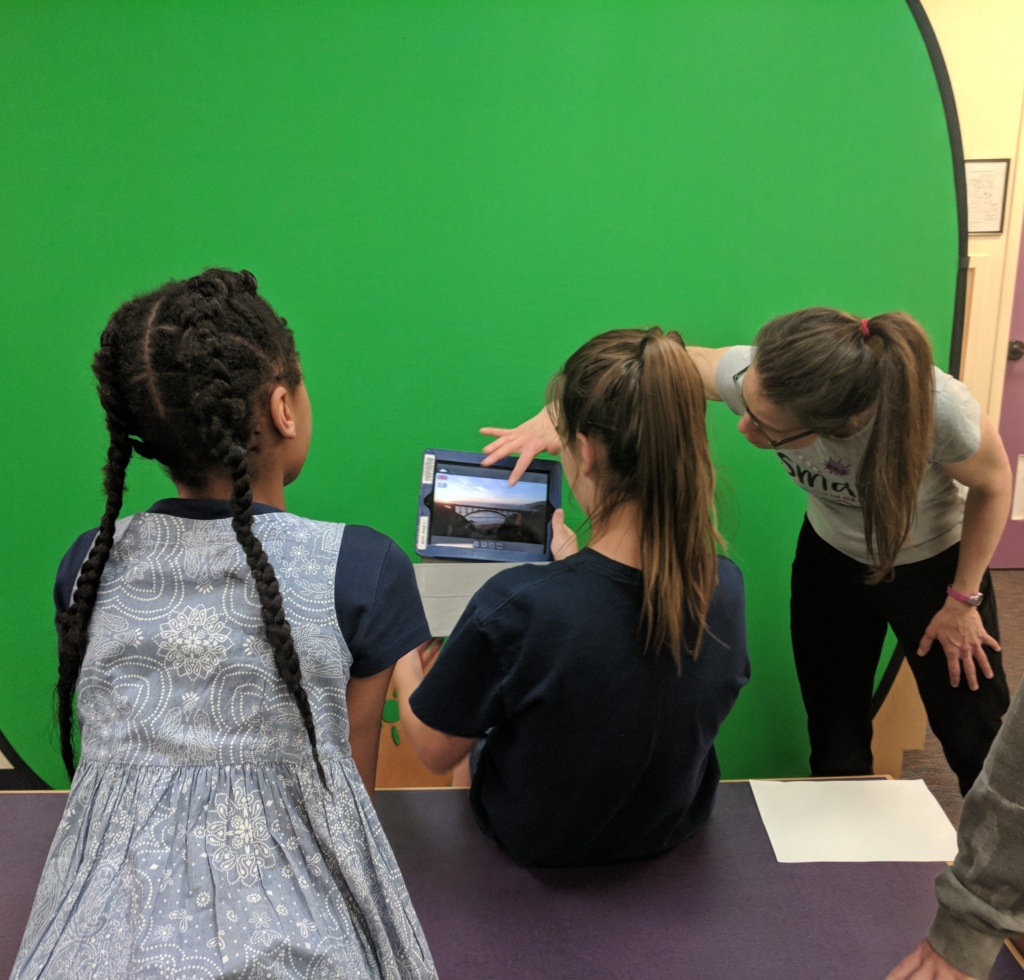
Using a green screen to make movie special effects 
Programming with the Makey Makey 
Designing 3D Printed Pancakes 
3D Printed Pancake